
Comparing Architectures and Capabilities
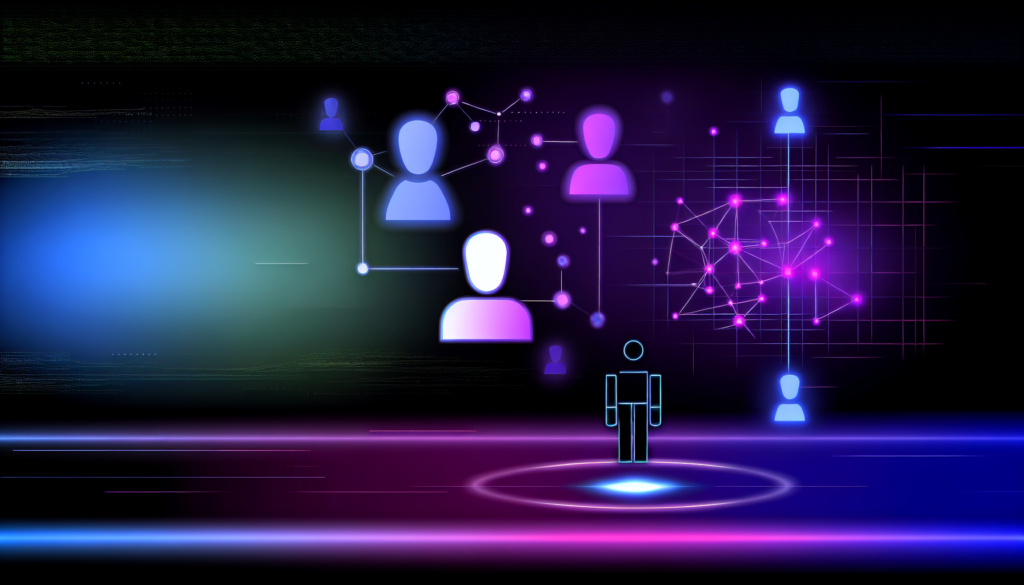
In delving into the architectures and capabilities of Multi-Agent Systems (MAS) versus Single AI Assistants (SAAs), we uncover a landscape where collaboration and autonomy define the former, while centralized efficiency marks the latter.
MAS are characterized by their distributed nature, wherein each agent operates with a degree of autonomy, equipped with its own set of capabilities and a local view of the environment. This structure allows for decentralized problem-solving, with agents dynamically interacting and coordinating their actions to achieve a common goal. The decentralized approach inherent in MAS fosters resilience and flexibility, enabling the system to adapt to changes in the environment or in the task requirements. Applications such as online trading platforms benefit from MAS, where numerous agents can represent different stakeholders, negotiating and executing trades. Similarly, in disaster response scenarios, MAS can efficiently allocate resources and coordinate rescue operations, with agents representing different entities like emergency services, drones, and first responders.
In contrast, Single AI Assistants are streamlined towards centralization, designed to perform tasks by processing information through a monolithic architecture. These systems excel at tasks requiring deep, comprehensive understanding or control over a domain, such as managing smart home devices or executing personal assistant functionalities like scheduling and information retrieval. The centralized nature of SAAs simplifies the design and deployment of AI solutions tailored to specific user needs, ensuring consistency and reliability in the assistant’s responses and actions.
The communication and decision-making processes in MAS and SAAs starkly differ. In MAS, agents must communicate with one another, sharing information, negotiating, or even competing to fulfill their objectives. This communication can be complex, requiring protocols and languages that enable agents to understand and react to each other’s actions. Decision-making in MAS is thus emergent, based on the interactions and negotiations between agents, potentially leading to innovative solutions to complex problems.
Conversely, SAAs rely on a singular decision-making process, where inputs are processed centrally, and actions are determined based on a global understanding of the task at hand. This can limit the adaptability and flexibility of SAAs in dynamic or unforeseen situations but ensures a high degree of control and predictability, which is crucial for applications that interact closely with human users, such as in personal assistant roles.
Through these examples, it becomes evident that the choice between deploying MAS or SAAs hinges on the nature of the problem to be addressed. While MAS offer unparalleled adaptability and resilience in dynamic and complex scenarios, SAAs provide a streamlined, user-centric approach for more defined, stable tasks. Understanding these differences is pivotal in harnessing the respective strengths of MAS and SAAs, guiding the development of intelligent systems tailored to the specific needs and challenges of the future.
Conclusions
In conclusion, Multi-Agent Systems distinguish themselves with collaborative, distributed intelligence capable of handling complex scenarios, while Single AI Assistants excel in user-centric tasks. Each approach has distinct advantages, and the choice between MAS and SAAs depends on the specific challenges and goals at hand. As AI continues to evolve, these systems will shape the future of technology and human-machine interaction.